If you’ve never heard of Pitney Bowes, you should have. They are in your office, probably. And if you have heard of the company, you almost certainly have the wrong idea about what it does.
Most folks think of PB as the company that makes postage meters for offices and leases them out so office managers don’t have to go to the post office to send out invoices. And it does do that, but the company has evolved itself into much more, and one of the things it’s becoming is the home of ubiquitous Industrial IoT.
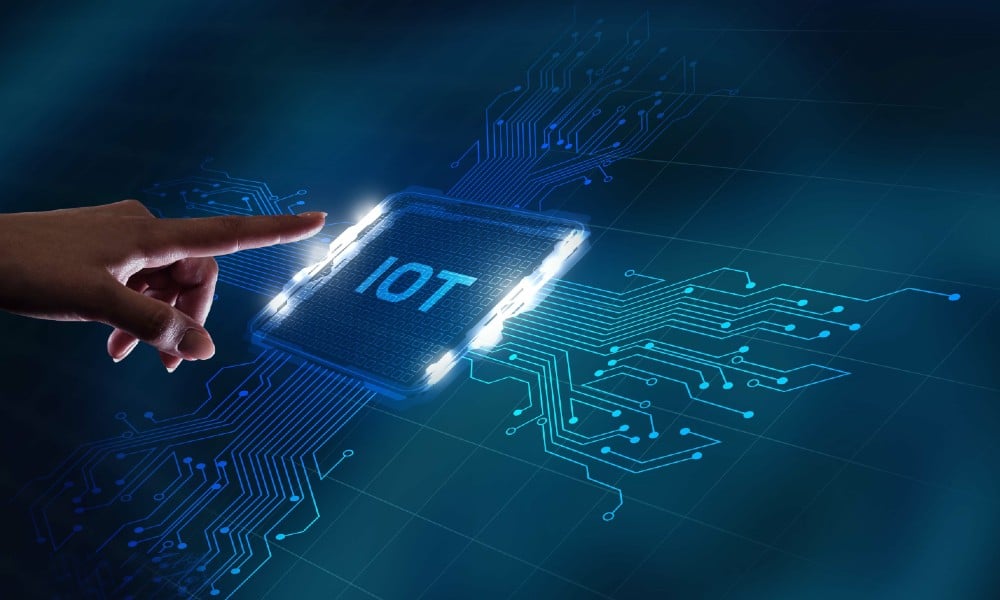
GE has estimated that the Industrial IoT could add $10 to $15 trillion to the global GDP over the next 20 years. To do that, the industrial sector has to do a much better job than it does right now at collecting data from its processes and using that data intelligently to drive business outcomes.
PB, on the other hand, has been doing that internally for years, and now is helping its partners to do the same. The platform it’s using, and is now making available, is called Clarity, and that’s what is going to move PB into the forefront of the IIoT over the next two decades, and the company’s partners will now have the chance to come along for the ride.
The SaaS-based Clarity suite leverages the physical and digital technologies of the Industrial Internet to integrate and organize data collected from sensors on production mail machines to support real-time insight, predictive analytics and prescriptive maintenance. Clarity is hosted on GE’s Predix platform, which comes out of the partnership between the two companies announced in July last year. This is the first commercially available solution to come out of the collaboration between these two, and it is poised to have far-reaching effects.
“The Industrial Internet is transforming everything from aviation to healthcare to oil field and energy services,” said Yonatan Hagos, GM, Emerging Verticals, GE Digital. “The Pitney Bowes Clarity solutions suite demonstrates how companies are using cloud technologies – like the Predix platform – and analytics to transform their go to market strategy and reinvent their businesses.”
Clarity is made up of three parts: Advisor, Optimizer and Scheduler. Clarity Advisor makes drive machines more efficient through better proactive monitoring of trends and patterns, which will lead to faster diagnosis and resolution of potential issues before they occur. The end result: less downtime and more productivity. Clarity Optimizer takes those insights and uses them to take concrete action. It identifies the optimal combination of jobs, machines and operators to help clients improve equipment performance, operational productivity and capacity. Finally, Clarity Scheduler provides adaptive scheduling to help users meet service-level agreements and drive productivity. It learns and becomes more intelligent over time, linking a range of variables, including available operators and equipment, jobs in production and planned downtime into one dynamic schedule.
The suite, when leveraged well, as PB has done for several years, results in a nearly endless cycle of improved efficiency.
PB has been leveraging this technology internally for several years, according to Jason Dies, president, Pitney Bowes Document Messaging Technologies. “We’re at the convergence of physical and digital, and what you’ve seen over the last four to five years is Pitney Bowes has expanded its portfolio in that space,” Dies said. “It’s increasingly difficult to eke out the efficiency that companies need. We knew we could do it in a meaningful way.”
The most immediate power of the IoT, especially in Industrial circles, is in efficiency, but that’s only the beginning. Over time, efficiency will lead to full automation. And that’s the ball game.
Transform and roll out.