Not too long ago, the idea of highly targeted digital advertising was relegated to science fiction. Just one of many classic examples of this is the 2002 film “Minority Report.” In it, Chief of PreCrime John Anderton (played by Tom Cruise) must stop crimes before they occur. At one point Cruise’s character walks through a busy mall. He passes a GAP kiosk displaying a vibrant woman welcoming store guests. Chillingly, the female greeted Cruise’s character by name and asked him about a recent purchase. The idea that everyone was being tracked and watched, constantly, heightened the movie’s suspense.
Unfortunately, big data is no longer science fiction or a university theory. We now live in this future of highly targeted advertising fueled by millions of tiny data points. Our digital footprints are fast becoming a treasure-trove of valuable information for companies. And the reach goes much farther than imagined.
We’re being watched by the organizations and platforms we interact with. On Facebook, for example, every like, share, comment, keyword, and group association is used to map out a shockingly accurate picture of who we are. Advertisers can already target us based on innumerable data points we readily share. The same thing happens on Twitter. Off social media, marketers use cookies to track which links we click on. They use heat maps to track which landing pages convert better. They even track if we open a marketing email, when we open an email, and which of their subject lines got the most opens.
Each individual marketing pulse, as insignificant as one might think it to be, means millions to those interested enough to track it.
The tracking, organization, and analysis of these data points are what now comprise the field of Big Data. Underneath that umbrella term are sub-fields such as Business Intelligence, Data Analytics, Data Visualization, and Machine Learning. And as more organizations pick up on the value of capturing and acting on data, more and more of our actions online and off are tracked.
And retailers aren’t just asking why. They’re asking how, when, and what else, too. For example, a retailer might discover that an individual is more interested in an email subject line about a designer shoe than they are about a shoe sale. They’ll also learn that many tend to open emails at 8PM more than at any other time of the day. They’ll then send targeted advertising that matches their interests, their demographics, and even their buying preferences. Going further, they’ll combine what they know about individual consumers and what they’ve determined based on machine learning techniques to make future predictions.
We have created our own Minority Report.
Marketing isn’t the only area benefiting from data collection and analysis. Supply Chains also benefit from new data analysis tools and techniques. A company can use buying and inventory data to make more accurate inventory purchases based on demand, rather than hunches. The data collected from sales can be quantified and collated to show almost the exact number of units a major retailer needs to buy in order to perfectly match consumer demand without losing out on sales due to inefficient supply.
Another area benefiting from this forest of data is Sales. For example, Hubspot’s Inbound Selling Methodology relies on tracking social “triggers” and other prospect events to refine and personalize the sales process. Organizations have discovered that personalized selling, as with marketing and everything else, does better than a generalized approach.
Some think this form of targeted marketing is brand new. It’s not. Advertising directed at a specific consumer has existed for centuries. For example, John Caples’ “Tested Advertising Methods”, where he discusses the virtue of methodically proving each piece of marketing, was first published in 1932. What is new is the immediacy of testing. Also new is the accuracy retailers can achieve thanks to digital tools that perform complex analytics on the fly.
Retailers can create customized advertisements using dynamic keywords and only show them to the exact type of buyer who’d respond. They can refine their offers in scientific fashion. It’s classic direct response on steroids, powered by the millions of data points we all freely share about ourselves and our buying preferences.
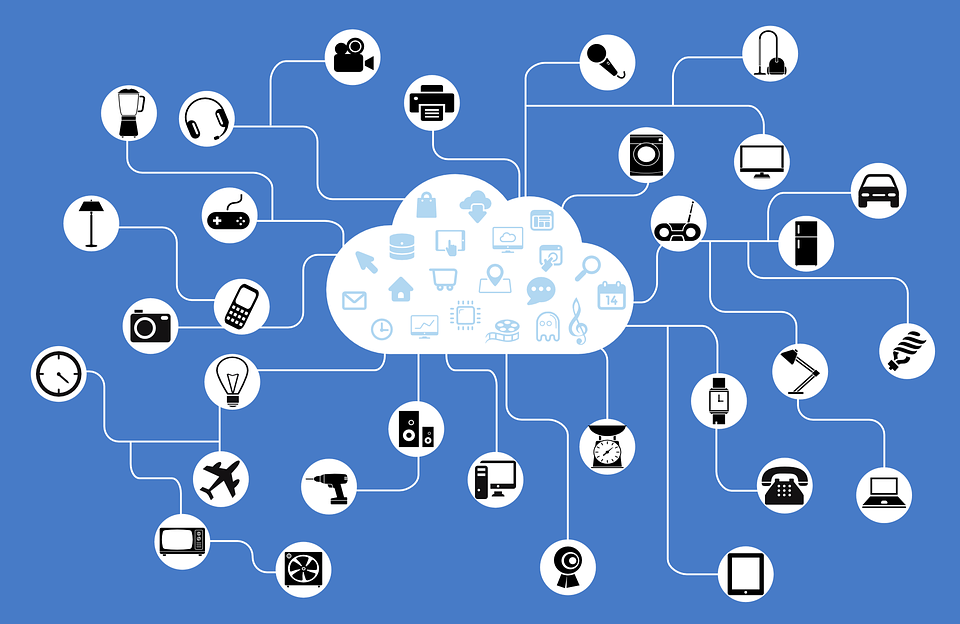
Like it or not, the tidal wave of user data will only increase in magnitude. Each new gadget, app, and platform creates data points ready to be analyzed and used for increasing market share.
Any company not already tapping into data-enriched marketing, and sales is soon to become a dinosaur. Leveraging consumer data is a high-yield opportunity for any business, from corporate to the mom-and-pop. Tools exist at every budget level, so affordability is no excuse. Smart retailers know that profits increase when they hone in on the important minutia of how their customers think and buy.
About the Author: Clint Campbell is a principal solution architect for Y&L Consulting, a San Antonio, Texas firm.