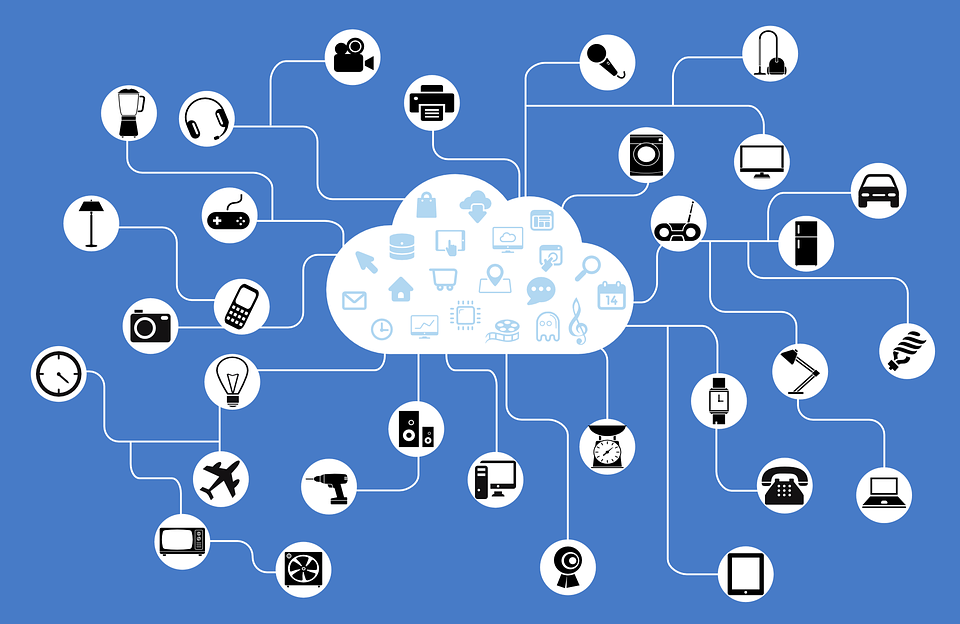
Running a business has its benefits. It can free you from a traditional 9–5 structure. However, it also introduces new layers of risk—especially in a connected economy where IoT devices track deliveries, automate workflows, and process customer data in real time. A delayed shipment flagged by a smart logistics system or a misfired automated email can quickly escalate into a larger issue.
Many founders first encounter legal structuring while researching how to start an LLC in California. What often surprises them is how much more confidently they can operate once the right framework is in place—one that protects not just business activity, but interconnected systems, data flows, and personal exposure.
The “Indestructible” Corporate Veil
Operating as an LLC means your business is recognised as a separate legal entity. Disputes—whether caused by human error or an IoT-enabled system—are typically directed at the company, not your personal assets. As reliance on smart technologies grows, maintaining this separation becomes critical.
That separation depends on consistency. Maintain a dedicated business account, sign contracts in the company’s name, and document both operational decisions and how connected technologies are deployed. A café using smart ordering tablets and automated stock alerts, for example, is far better positioned to avoid personal exposure in a supplier dispute when system ownership and processes are clearly defined.
Safeguarding Against “Vicarious liability”
As soon as your business relies on employees, contractors, or automated systems, you assume responsibility for their actions. Vicarious liability means you can face claims for incidents you did not directly cause—whether it’s a delivery driver damaging property or a connected device malfunctioning.
An LLC helps contain that risk within the business. However, structure alone isn’t enough. You also need clear operational standards and well-managed IoT systems. Document configurations, monitor performance, and ensure regular maintenance. Providing staff with basic training on connected tools—and setting clear automation protocols—demonstrates oversight if issues arise.
“Charging Order” Protection
Personal creditors may view business ownership as a route to accessing assets. In many cases, an LLC limits them to a charging order, granting rights only to distributions rather than control.
This is particularly valuable in IoT-driven businesses, where value sits not just in cash flow but in data, connected infrastructure, and automated systems. Creditors lose leverage when they cannot force sales or disrupt operations—including digital assets.
To strengthen this position, prioritise reinvestment into the business. Spend on cybersecurity, system upgrades, and scalable tools, rather than leaving cash exposed. A consultant who retains earnings while investing in secure, connected infrastructure is typically less attractive to opportunistic claims from Personal creditors .
Enhanced Professional Credibility
An LLC signals structure and intent—something that carries added weight in technology-led environments. Clients and partners expect reassurance that their data and systems are handled responsibly.
A freelance designer using cloud-based tools and smart integrations, for example, often benefits from operating under an LLC. It reinforces professionalism, clarifies boundaries, and builds trust—allowing more focus on delivery and less on negotiation.
Taken together, these benefits don’t eliminate risk—particularly in a landscape where devices and systems are constantly interacting. But they provide control. With the right legal structure supporting your connected operations, you can respond strategically rather than reactively—making it a critical safeguard for modern, IoT-enabled businesses.