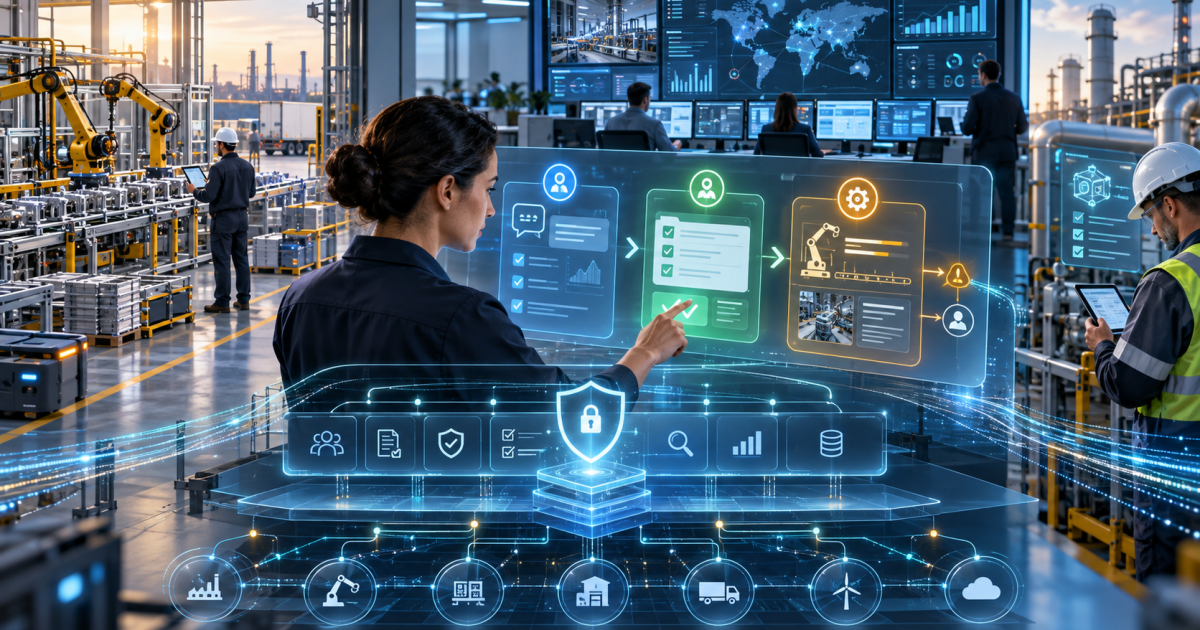
Industrial operations are becoming increasingly data-driven. From manufacturing plants and oil terminals to water treatment facilities and agricultural systems, companies are under pressure to improve efficiency, reduce waste, and prevent costly downtime. One technology quietly transforming these operations is the modern level sensor.
For decades, tank and liquid monitoring depended on manual inspection. Workers physically checked storage tanks, silos, reservoirs, and chemical containers to estimate inventory levels. While this method worked in the past, it created several problems: delayed reporting, inaccurate measurements, safety risks, and unnecessary labor costs.
Today, Industrial IoT (IIoT) is changing that model entirely.
Smart level monitoring systems now combine advanced level sensor technology with wireless communication, cloud computing, and real-time analytics. Instead of waiting for a technician to inspect a tank manually, operators can instantly monitor liquid or material levels from a dashboard, smartphone, or centralized control room.
The result is faster decision-making, reduced operational risk, and significant cost savings across multiple industries.
What Is Smart Level Monitoring?
Smart level monitoring refers to the use of connected sensors to continuously measure the level of liquids, powders, or bulk materials inside tanks, silos, reservoirs, and industrial containers.
Unlike traditional monitoring systems, modern IoT-enabled level sensor solutions do more than provide measurements. They can:
- Send real-time alerts
- Detect leaks or overflows
- Track consumption trends
- Predict maintenance needs
- Integrate with SCADA and cloud platforms
- Enable remote monitoring across multiple locations
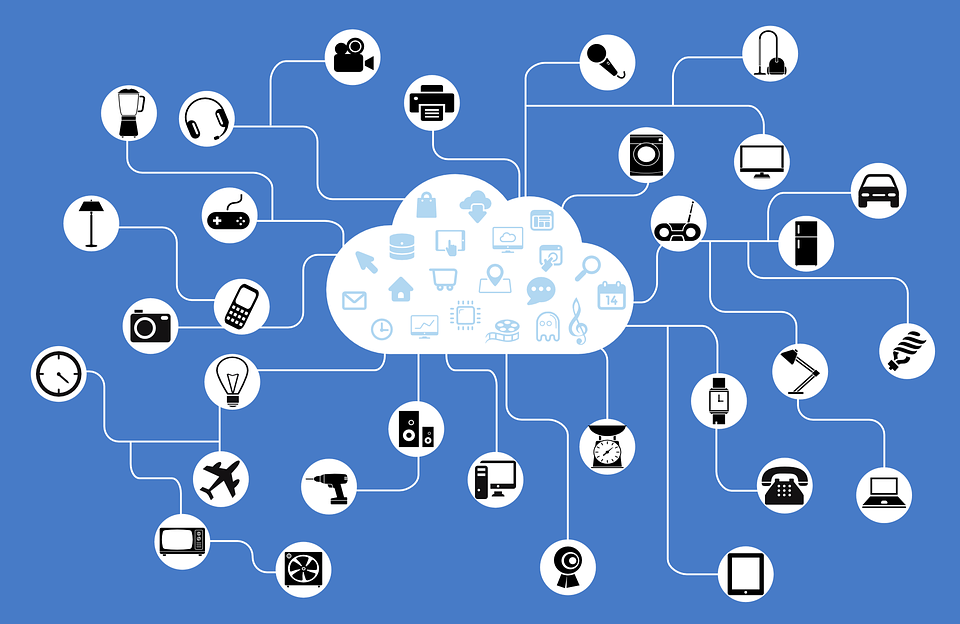
Industrial IoT architectures combine sensing hardware, wireless communication technologies such as LoRaWAN, NB-IoT, LTE, or Wi-Fi, and cloud-based analytics platforms to provide continuous operational visibility.
Why Industries Are Moving Away from Manual Monitoring
Manual monitoring creates inefficiencies that become expensive over time.
In industries like oil and gas, wastewater treatment, agriculture, and manufacturing, tanks are often located in remote or hazardous environments. Workers may need to travel long distances simply to inspect liquid levels. Besides labor costs, manual inspections also increase safety risks.
Industrial IoT monitoring systems eliminate much of this inefficiency.
According to industrial monitoring solution providers, remote level monitoring helps organizations prevent tank runouts, detect overflow risks, optimize delivery schedules, and improve asset management through automated data collection.
Real-time visibility also improves response time. If a chemical tank suddenly drops below a safe threshold or a wastewater basin begins overflowing, operators receive immediate alerts instead of discovering the issue hours later.
Real-World Example: Smart Water Management
One of the strongest real-world examples of smart level monitoring can be seen in municipal water systems.
Many cities operate distributed water infrastructure that includes reservoirs, underground tanks, pumping stations, and wastewater facilities. Traditionally, maintenance crews inspected these systems manually. This approach was slow, expensive, and reactive.
Modern smart water systems now deploy IoT-enabled level sensor networks that continuously monitor water levels in real time.
For example, remote monitoring solutions are being used to supervise reservoirs, stormwater systems, wastewater assets, groundwater wells, and pump stations across geographically distributed infrastructure. These systems help utilities detect overflow risks, monitor abnormal storage behavior, and improve emergency response capabilities.
In flood-prone regions, connected level sensors can automatically alert authorities when water levels rise beyond safe thresholds. This allows faster response times and helps reduce infrastructure damage.
Smart monitoring also improves sustainability. Water utilities can identify leaks, reduce water loss, and optimize pump operations using real-time sensor data instead of relying on scheduled inspections.
Oil and Gas Industry Adoption
The oil and gas industry has become another major adopter of Industrial IoT monitoring systems.
Fuel storage facilities, remote pipelines, and production sites require constant supervision. A small monitoring failure can lead to environmental damage, safety hazards, or production shutdowns.
IoT-connected level sensor systems now provide 24/7 visibility into fuel tanks and storage infrastructure.
Industrial monitoring platforms used in energy operations can detect leaks in real time, monitor fuel inventories remotely, and reduce the need for manual inspections across remote facilities.
This has major financial implications. Instead of sending technicians to physically inspect every tank, operators can manage multiple facilities from a centralized dashboard.
Wireless monitoring also improves worker safety because fewer personnel need to enter hazardous environments for routine inspections.
The Role of Wireless Connectivity
Wireless communication is one of the key technologies driving the growth of smart level monitoring.
Traditional wired systems are expensive to install and difficult to scale, especially in remote industrial sites. Modern IoT solutions use wireless technologies such as:
- LoRaWAN
- NB-IoT
- LTE-M
- Cellular 4G/5G
- Satellite communication
These technologies allow level sensor devices to transmit data over long distances while consuming minimal power.
For example, industrial ultrasonic monitoring systems using LoRaWAN can continuously monitor fuel, water, lubricant, and wastewater tanks without requiring complex wiring or infrastructure modifications.
Battery-powered wireless sensors are particularly valuable in remote areas where electrical infrastructure is limited.
Radar and Ultrasonic Sensors Gain Popularity
Not all industrial environments are suitable for traditional float-based measurement systems.
As industries demand higher accuracy and lower maintenance, radar and ultrasonic technologies are becoming increasingly common.
Radar-based level sensor systems offer several advantages:
- Non-contact measurement
- High accuracy
- Resistance to dust, steam, and vapors
- Reliable performance in harsh environments
Modern radar level transmitters can achieve millimeter-level accuracy while supporting Industrial IoT integration through Modbus, LTE, and cloud connectivity.
Ultrasonic sensors are also widely used because they are relatively easy to install and ideal for liquid applications where direct contact is undesirable.
Industries including chemical processing, wastewater treatment, and food production increasingly rely on non-contact monitoring technologies because they reduce contamination risk and maintenance requirements.
Smart Monitoring and Predictive Maintenance
One of the most valuable aspects of Industrial IoT is predictive maintenance.
Traditional maintenance schedules are usually time-based. Equipment is inspected every few weeks or months regardless of actual operating conditions.
Smart monitoring changes this approach completely.
By continuously collecting sensor data, companies can identify abnormal patterns before failures occur. For example:
- Sudden drops in tank level may indicate leaks
- Unusual consumption rates may reveal process inefficiencies
- Repeated overflow events may suggest pump or valve problems
Industrial monitoring systems can also generate automated alerts and historical analytics, allowing operators to predict maintenance requirements before equipment fails.
Predictive maintenance reduces downtime, lowers repair costs, and improves operational reliability.
Agriculture and Environmental Applications
Agriculture is another sector rapidly adopting smart level monitoring.
Farmers increasingly use IoT-connected level sensor systems to monitor irrigation tanks, fertilizer storage, and water reservoirs remotely.
Recent IoT agriculture research demonstrated that cloud-connected environmental monitoring systems can significantly reduce water consumption through automated monitoring and analytics.
In regions facing water scarcity, this technology is becoming extremely important.
Environmental agencies are also using remote monitoring systems for flood detection, groundwater analysis, and stormwater management.
Challenges Still Exist
Despite its advantages, Industrial IoT adoption still faces several challenges.
Cybersecurity remains a major concern because connected infrastructure increases potential attack surfaces.
Connectivity limitations can also affect remote installations, especially in areas with poor cellular coverage.
Sensor calibration and environmental interference may impact measurement accuracy if systems are not properly configured.
In addition, integrating older industrial infrastructure with modern IoT platforms can be technically complex and expensive.
However, advances in low-power communication, edge computing, and AI-based analytics continue to improve reliability and scalability across industrial environments.
The Future of Smart Level Monitoring
The future of industrial monitoring is moving toward autonomous, AI-driven operations.
As Industrial IoT platforms mature, level sensor systems will become increasingly intelligent. Future systems will not simply report measurements — they will analyze trends, predict failures, automate responses, and optimize industrial processes without human intervention.
Artificial intelligence and edge computing will allow monitoring systems to process data locally, reducing latency and enabling faster operational decisions.
Advanced radar technologies, cloud integration, and machine learning algorithms are already making modern industrial monitoring systems more accurate and reliable than ever before.
At the same time, industries are placing greater emphasis on sustainability. Smart monitoring helps reduce waste, optimize energy usage, and improve resource management, making it an essential part of future industrial infrastructure.
Conclusion
Industrial IoT is fundamentally transforming how companies monitor tanks, reservoirs, silos, and industrial assets.
Modern level sensor technology no longer serves as a simple measurement tool. It has become a connected intelligence platform capable of delivering real-time insights, predictive analytics, and automated operational control.
From water utilities and agriculture to oil and gas facilities, organizations are adopting smart level monitoring to improve efficiency, reduce downtime, strengthen safety, and support sustainability goals.
As Industrial IoT adoption continues to accelerate, connected monitoring systems will become a standard component of industrial operations worldwide.
Businesses that invest early in smart monitoring technologies will be better positioned to operate efficiently, respond quickly to operational risks, and compete in an increasingly data-driven industrial landscape.