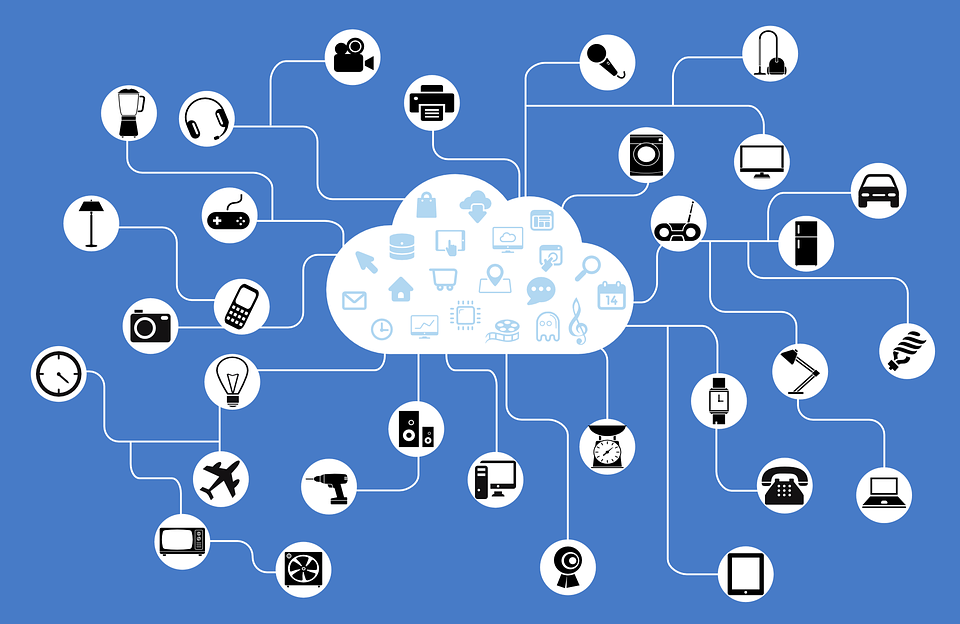
In a recent release, LexisNexis Risk Solutions released findings from a comprehensive research study with the goal of examining the insurance industry's perspective on collecting, analyzing and using data created by the Internet of Things (IoT). The study reportedly found that, while insurance carriers recognize the impact this data will have on the Insurance industry, few carriers currently have an IoT strategy, are collecting IoT data or have dedicated resources in place.
The 2018 LexisNexis IoT and the State of the Insurance Industry Study surveyed 500 US insurance professionals from auto, home, life and commercial lines of business to gauge how IoT data fits into their current and future business strategies, and the extent to which this data is being collected and used today. The research reportedly showed that 70 percent of respondents agree that gathering IoT data is important to their organization's current insurance strategy, but only 21 percent have an IoT strategy and 7 percent have the human and technology resources required to use it in decision making. Of those that said they currently collect data from telematics, wearables, connected home and properties, only 5 percent say they use it in their day-to-day analytics.
“Carriers already use data to make better decisions. But given the looming tsunami of data from the Internet of Things, we were surprised to learn how few are prepared to leverage it into their business strategies and customer offerings,” said Bill Madison, CEO, Insurance, LexisNexis Risks Solutions. “The good news is that the IoT playing field is currently relatively even. Partnering with an experienced organization to cleanse, normalize and analyze IoT data can help carriers gain a first-mover advantage in enhancing their existing portfolio and developing new products.”
One reason the insurance industry is lagging could be that most carriers think of IoT at a tactical rather than a strategic level. When asked to define IoT, most respondents did so in tactical terms like “a network of connected devices.” Few respondents discussed IoT in terms of strategic uses for underwriting, claims and other analytics.
For more information on the report click here.
Ken Briodagh is a writer and editor with more than a decade of experience under his belt. He is in love with technology and if he had his druthers would beta test everything from shoe phones to flying cars.
Edited by
Ken Briodagh