5G technology has already revolutionized our lives in many ways – and there are countless new use cases that will change how business and individuals function. One of the most exciting applications for the future is sustainable farming, enabling the production of more food while using fewer natural resources and less energy.
The ability to use sensors and other technologies in agriculture will allow farmers to implement new methods of growing more efficient crops. These new methods will also reduce the water and fertilizer needed for growing crops– which will also help in the fight against climate change.
Huawei and Dronetech are working together on new applications for smart farming. The companies have entered into the second phase of their “Digital Sky” pioneer project, which started last year to combine 5G and IoT technologies. The goal is to promote sustainable farming and also provide solutions for growing food security concerns.
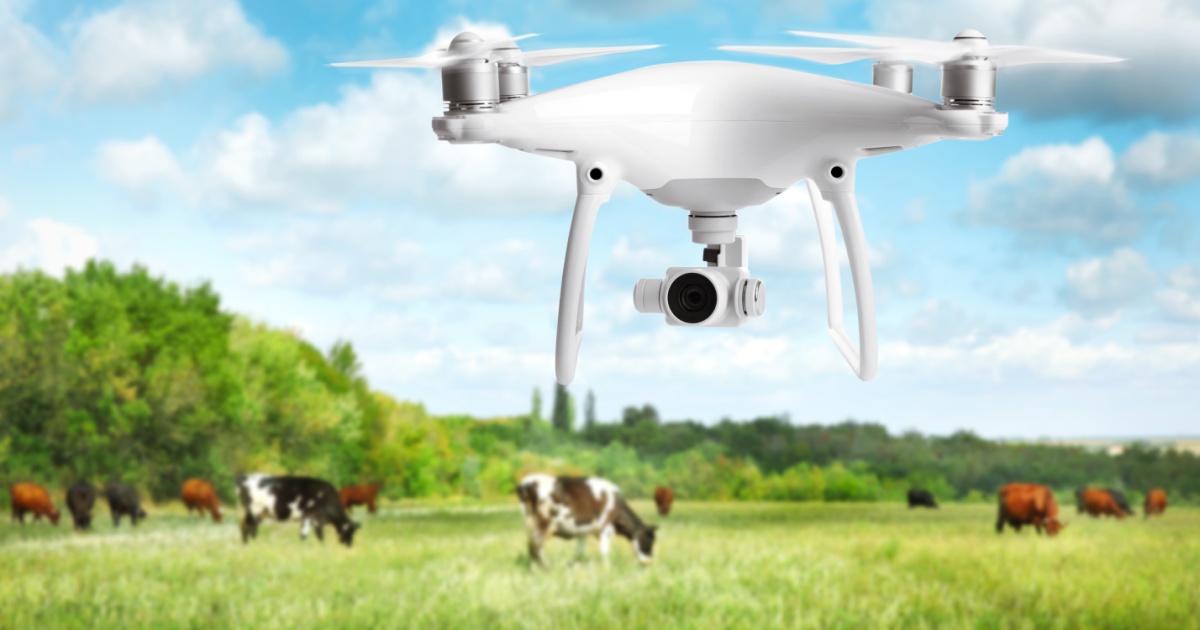
For the partnership, Huawei is providing its cloud computing services on top of 5G. This will be used to allow real-time artificial intelligence (AI) analysis to happen within the systems. Dronetech's drones will have high-tech cameras and sensors and will survey the land and objects, and capture images and data that are then processed by AI for instant information and recommendations.
With this technology, farmers can monitor crops, find pests, predict harvests, use water and chemicals more precisely and reduce waste.
"AI-powered drones are important enablers for the sustainable future of agriculture. Partnered with Huawei, we developed a solution that can not only massively reduce the use of pesticides and fertilizers but also enhance farming efficiency and cut labor costs. This helps our food supply chains to be more sustainable," said David Hopf, CEO of Dronetech.
For the second phase, they will also develop a shared economy approach for drone services. From farmers to municipalities, corporate and individual users, drones will be available for rental, along with AI solutions for a range of applications and uses. Things like, inspection of solar panels, traffic management, or powerline wear-out detection are just a few of the possibilities.
5G is the best option for the job as it allows for high bandwidth, low latency, and the ability to connect to millions of devices. Technological improvements to assist with network coverage for drones that fly above ground level is still a challenge.
Erich Manzer, Deputy CEO of Huawei Austria, said: "5G was developed for three key application areas: For high bandwidth, low latency and to connect millions of devices. Using drones in combination with AI and 5G can solve many resource-intensive operations such as maintenance or area monitoring."
Edited by
Erik Linask