
Menu

SMART TRANSPORT FEATURE NEWS

BT Hacks Cars to Enhance Security

By Ken Briodagh April 20, 2015

On April 20, communication services provider BT announced that it has created a new security service designed to test the vulnerability of connected vehicles to potential cyberattacks. The new service is called “BT Assure Ethical Hacking for Vehicles” and BT said it wants to help all market players develop security solutions for connected transport.

Connected vehicles need Wi-Fi, cellular connectivity, Bluetooth tech and any number of other wired and wireless connectivity tech to operate safely, but those systems that make them work are also points of entry for malicious actors. Gaining access to a passenger car can mean loss of control and loss of life. Gaining access to a train or oil tanker could mean a massive international disaster. BT wants to help prevent that.

BT has built a global team of security specialists and so-called “white hat hackers” that have designed a standardized method to test systems by imitating hacker attacks, reporting possible vulnerabilities and providing recommendations to manufacturers, insurance companies and other players in the automotive industry.

The method tests weak spots inside the car like Bluetooth links, USB ports and the DVD drive, and external connections, including mobile networks, power plugs and remote systems like maintenance laptops and infotainment providers.

“Vehicles are now connected devices, confronting manufacturers and suppliers with a whole new world of security challenges. For example, we have seen cars infected with malware while connected to a power charging station – because nobody had expected this would be possible,” said Hubertus von Roenne, VP, Global Industry Practices, BT Global Services. “We use the expertise and knowledge of our Ethical Hacking consultants to identify these vulnerabilities – before others do.”

Connected transport is likely to be one of the most pervasive, consumer-facing IoT applications to find mass adoption, and therefore is both critical to protect and likely to be attacked. And once driverless cars start to appear on the roads, the need for security will be even greater. So it’s about time we started preparing. 


Edited by Dominick Sorrentino
Get stories like this delivered straight to your inbox. [Free eNews Subscription]
SHARE THIS ARTICLE
Related Articles

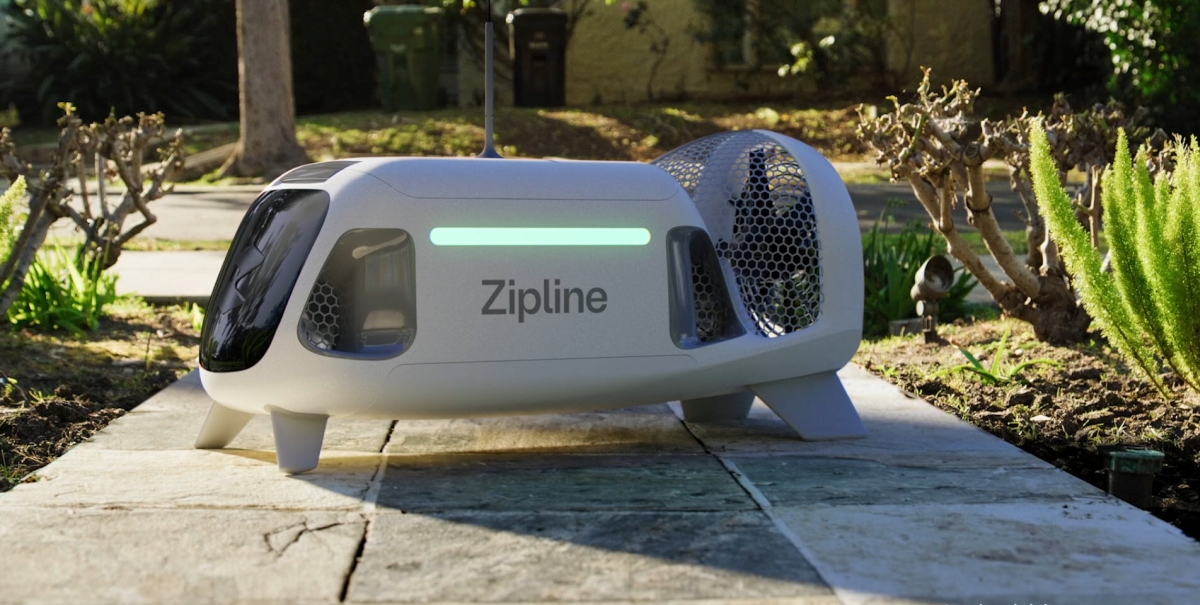
Zipline Announces 'Zip' Drones for Precise, Autonomous Deliveries

By: Alex Passett    3/31/2023

Zipline's "Zip" delivery drones are next-gen, virtually silent machines that are expected to deliver up to seven times faster than traditional automob…

Read More
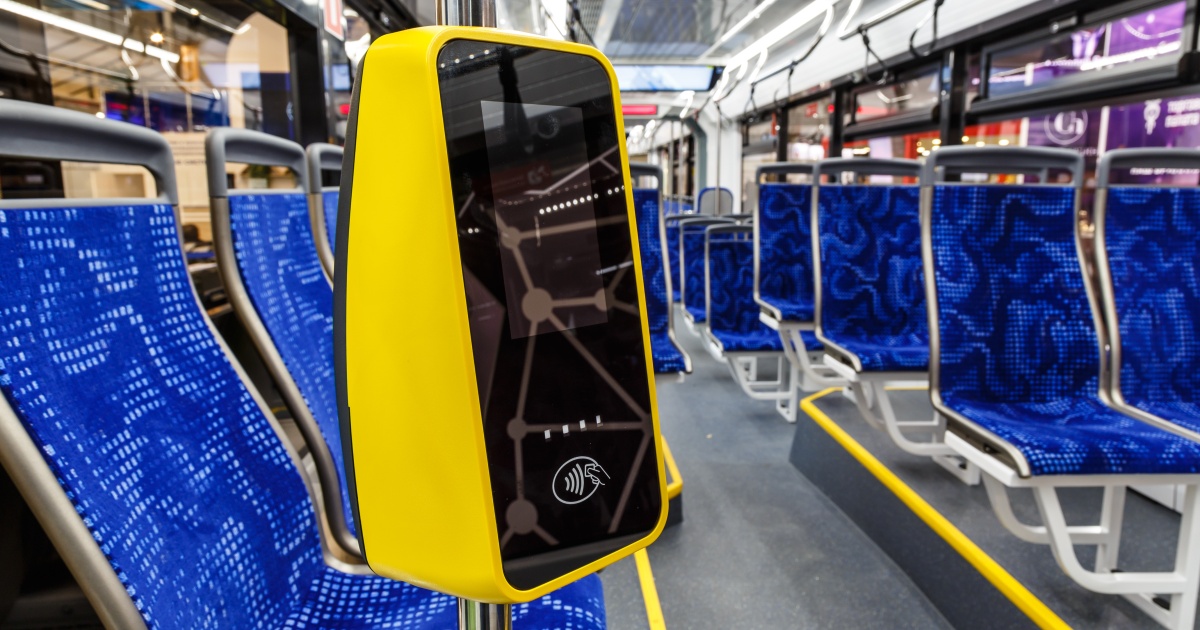
Modeshift Partners with LTCA for Smart Ticketing

By: Stefania Viscusi    11/17/2022

Modeshift's smart transit solution has been adopted by Luzerne County Transportation Authority (LCTA) in the Wilkes-Barre, PA.

Read More
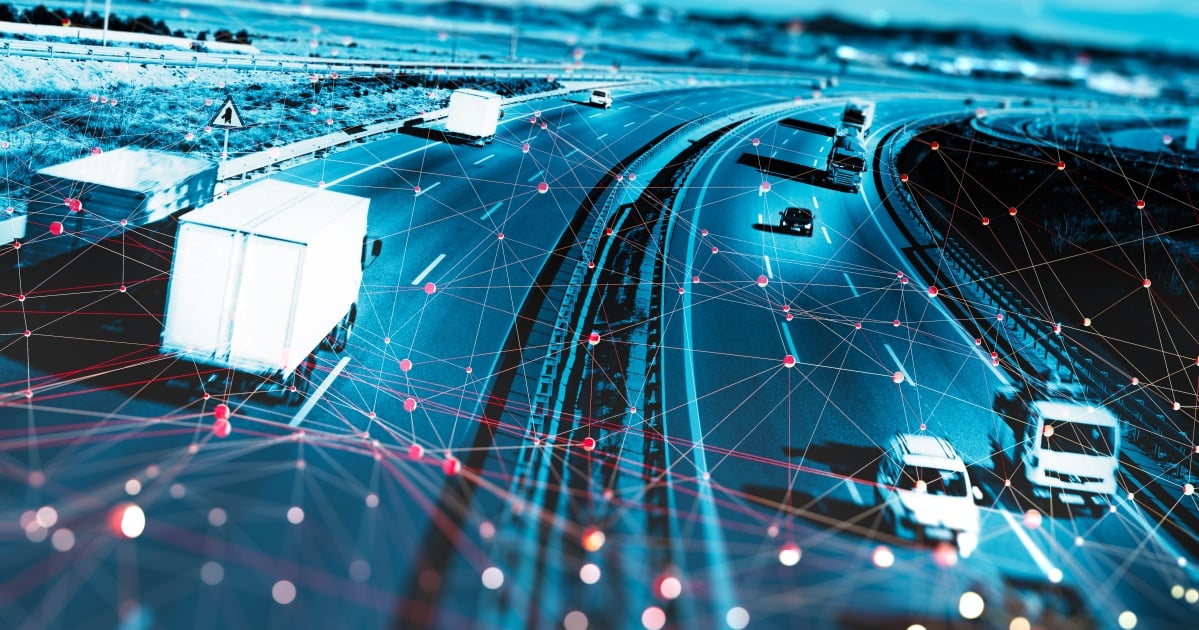
Video-Based Safety and AI Technology Can Reduce Truck Accidents

By: Tracey E. Schelmetic    11/15/2022

IoT solutions with video-based safety and AI technology can help reduce the likelihood of accidents by identifying distracted and aggressive driving.

Read More

Upward Mobility: Urban Movement Labs Joins Smart City Venture Studios as New Agency Partner

By: Matthew Vulpis    2/24/2022

The technology developed to create "smart cities" can make communities more effective and efficient in the use of resources, a necessity given the pro…

Read More

Up, Up, and Away - With Your IoT Data?

By: Special Guest    2/4/2021

Times have changed in the amazing world of the Internet of things (IoT). What once was a new and compelling idea has quickly worked its way into the h…

Read More