Behind the cloud, behind the IoT and behind machine to machine (M2M) technology is big data. Big data has the potential to provide all new kinds of insight into company productivity, customer behaviors and business impact trends. One big part of M2M big data is rapidly transforming is car insurance – drivers are opting for usage-based insurance in hopes of proving they are safe drivers will result in lower rates and better plans.
 Recent research from Accenture highlighted the most common trends and behaviors when it comes to drivers and insurance. More than one-third (35 percent) of survey respondents are open to providing information, whether it’s about usage, lifestyle or behavior, if they get better value for insurance coverage in return. Fifty-four percent of respondents are interested in gaming solutions to help better manage risk coverage and lower premium rates.
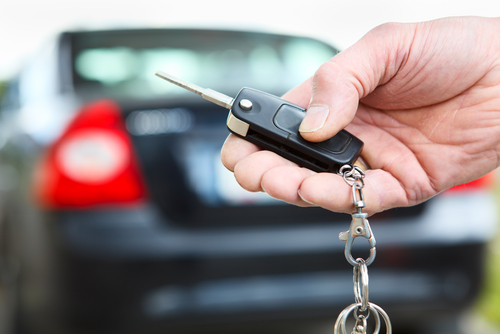 One option for making auto insurance more affordable and personalized is with telematics technology. Insurethebox is one provider of insurance using telematics, opting for a more “pay-as-you-go” type of model: Customers buy miles of coverage in advance, and then allow their car usage to be monitored by an onboard device and top up their insurance when their miles run low. The company also gives bonus miles for safe driving or for shopping at any of the insurer’s retail partners.
“While Internet access using personal computers or laptops was the first step in enabling customers to use digital channels, the real game-changer has been the growth in mobile,” said Michael Lyman, global managing director for management consulting within Accenture’s Insurance industry practice, in a statement. “The mobile channel offers insurers the opportunity to take customer experience to the next level, enabling them to become partners of their customers’ everyday life by tailoring offers and interactions to the physical context, as location-based services can be highly relevant in insurance. For example, travel insurance-suggested offers can be sent to customers’ mobile phones when landing in an airport abroad, or a claim can be submitted from an accident scene with supporting photos. Also, as consumers become more open to providing access to their personal data, adoption of usage-based insurance enabled by telematics technology will accelerate.”
One of the latest companies to use telematics is Wunelli, a driving data collector for the auto insurance industry. A new telematics app aims to transform insurance pricing by directly measuring driving behavior. Using a combination of GPS technology and sensors within the mobile device, Wunelli is able to remotely gather predictive driving parameters, like the time and day of the week when most driving is done, verify garaging, record speeding and even rate how smoothly the driver brakes and takes hard corners. Already, Wunelli has found that drivers are more than 10 times more likely to have an accident in a 40 mph zone than at 70 mph, and that most claims are filed between 3 a.m. and 6 a.m. on Saturday mornings.
The research also pointed toward a new insurance trend – 67 percent of respondents would consider purchasing insurance products from other organizations, such as online service providers Google and Amazon, banks, home service providers, retailers or car dealers.
“Only those insurers with the digital capabilities and flexible operating model to adapt effectively to the changing demands of customers will be able to attract the large number of customers who are set to leave their less farsighted providers,” said Lyman. “Visionary insurers must also be prepared to conceptualize their business more broadly, building online communities and offering non-insurance services - such as USAA helping its customers buy cars - and be willing to create ecosystems of partners who together can provide the total, personalized and convenient experience today’s customers expect.”
Image via Shutterstock
Edited by
Cassandra Tucker