Social media looks very different today from how it did years ago. The process was that you’d post a photo, write a caption, and wait for likes.
Not today. Social media platforms are now smarter, and feeds are personalized. And your devices? They probably know more about your daily habits than some of your friends.
Now imagine what things will look like as the Internet of Things (IoT) begins to play a bigger role.
According to IoT Analytics, the number of connected IoT devices worldwide will exceed 50 billion by 2035. This translates into massive amounts of data quietly being collected every second.
What does this mean for social media? Read on to find out.
What IoT Really Means for Social Media
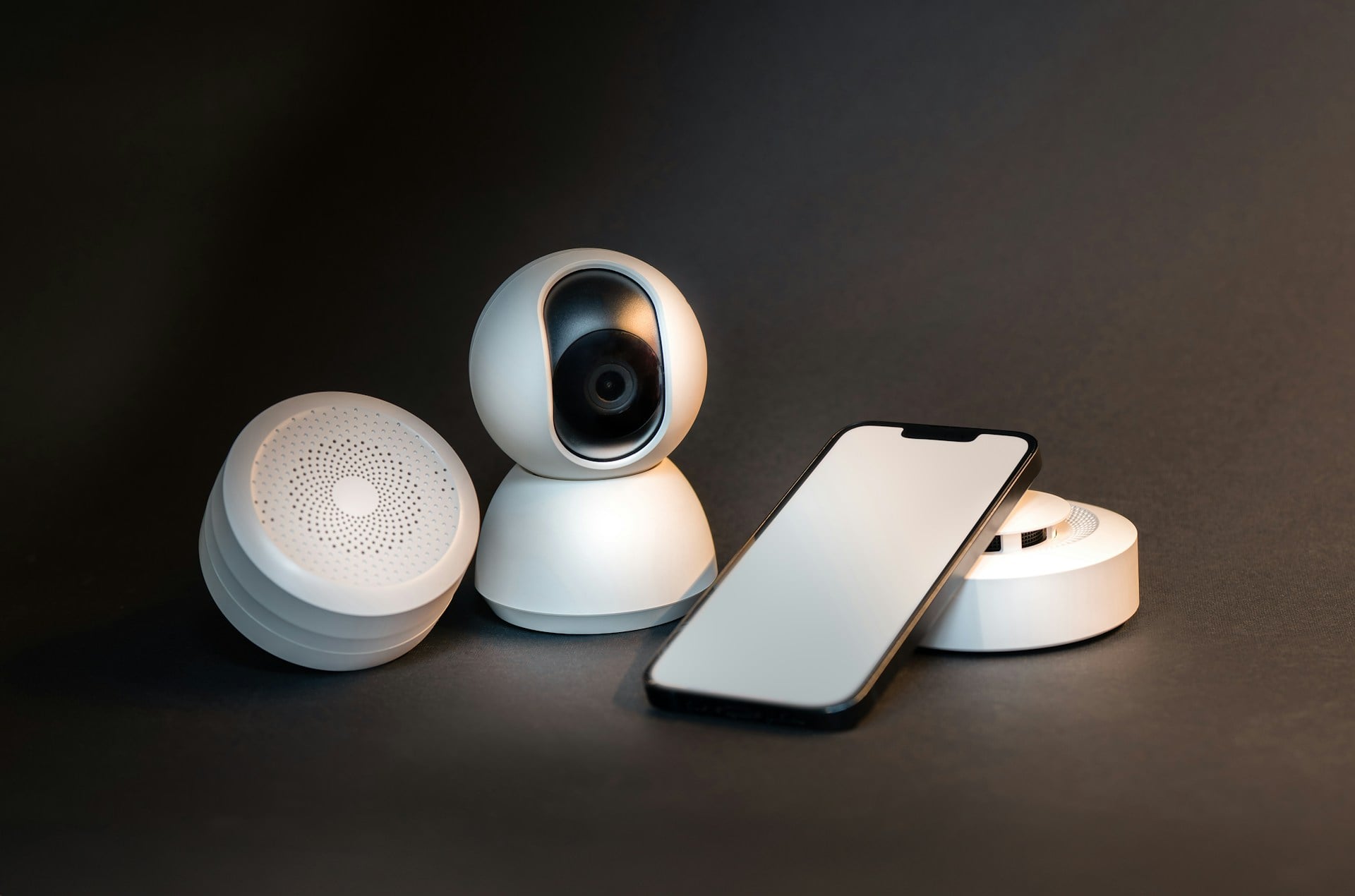
When we talk about the Internet of Things (IoT), we’re really talking about a huge web of connected devices. Think smart fridges. Fitness trackers. Your friend’s smart thermostat. Even your car dashboard. These devices collect data, share it, and in many cases, act on it without you doing much.
That same data doesn’t have to stay in the background. It can show up on social media, too. Imagine your smart kitchen noticing you’ve run out of oat milk and casually posting a poll to your “Cooking Fam” group asking which brand everyone’s buying this week.
We’re already seeing early versions of this. Take Samsung’s SmartThings platform. It connects millions of devices and serves over 400 million users worldwide. That’s a billion little moments that could become social content if we wanted them to.
4 Ways IoT Will Revolutionize Social Media
The merger of IoT and social media won't just tweak how platforms work. It'll reshape what social media even means. Here are four major shifts to expect.
Real-Time, Auto-Generated Content
Right now, sharing content requires effort. You take a photo, you write something, you post it. That friction won't always exist.
With IoT-powered social media, your devices could post for you. Your smartwatch could share your workout stats the moment you finish a run. Go on a road trip, and your car could update your followers about the sights in real time.
In 2024 alone, over 156 million smartwatches were sold worldwide. Each one is capable of tracking health metrics, GPS navigation, and activity data.
Now imagine that just a fraction of those smartwatch users start sharing auto-generated content from their devices. The content on platforms will grow in ways we can only imagine.
Hyper-Personalized Content
IoT devices don't just collect data occasionally. They do it constantly. Sleep patterns. Location habits. Health metrics. Purchasing behavior. Emotional states, in some cases.
When all that data flows into platforms like Facebook or X (formerly Twitter), it gives them the tools to build a feed that's truly predictive. Your feed wouldn't just show you things you've liked before. It would anticipate what you want before you even search for it.
But this can be a double-edged sword. According to PWC, 51% of consumers said they prefer personalized content, but what about the downside of too much personalization?
We already know social media has real mental health costs for some people. In fact, there are Facebook lawsuit cases that claim that Meta knowingly designed Facebook and Instagram to encourage addiction.
According to case files seen by TorHoerman Law, victims claim that these platforms contribute to mental health problems in younger users.
The question now is, will IoT-powered hyper-personalization make things worse? The honest answer depends heavily on regulation and user education.
Social SEO and IoT Discovery
If you've searched online lately, you'll know that more and more people are discovering products, places, and services via AI and social media rather than search engines.
People don’t type “best pizza near me” as much anymore. They ask Siri. Or their car’s dashboard. Or their smart speaker. And this trend will not slow down anytime soon.
In fact, about 46% of Gen Z users now rely on social platforms as their main search tool. Once you bring IoT into the picture, social media stops being just a place to scroll. It starts becoming a real decision-making engine.
Just imagine your smart fridge suggesting recipes based on what’s trending. Or your car dashboard pulls restaurant reviews from social posts nearby.
This means your social presence, whether you're a brand or a creator, becomes part of how people decide what to eat, where to go, and what to trust.
Seamless Augmented Reality (AR) Experiences
IoT and AR are a powerful pair. Imagine wearing smart glasses and seeing social tags floating over a restaurant. You can see what your friends ordered and if they liked it just by looking at the building.
We may not be there yet, but we’re getting close.
Take Ray-Ban’s latest smart glasses, for example. They now support AI features and let you make video calls through Meta AI, using the glasses as a live camera. It’s still early, sure. But it gives you an idea of where things are heading.
When AR starts blending with IoT at scale, social media won’t just live on your screen anymore. It’ll show up everywhere you look.
Privacy Challenges: The Big Trade-Off
IoT plus social media is a great combination. But it has its trade-offs. These devices collect data that relates to your everyday life. Feeding that into platforms that already struggle with data misuse creates real risk.
Imagine that a breach happens with your IoT devices synced to your social media profile. You're not just risking your password. You’re risking virtually everything about your life.
Hopefully, by the time we get to when IoT devices can automatically share data on social media, there'll be stronger regulation, transparent data policies, and real user control in place.
Will IoT Fully Take Over Social Media?
IoT devices can be really helpful if you pause and think about it. But will it completely take over social media? Not really. While our content will become more automated and our experiences more immersive, the core of social media won't change. We still want to feel a human connection.
At the end of the day, the Internet of Things is just a set of tools. We still get to decide what kind of world we want to build with them.